There is a light source in almost every home that costs nothing, needs no batteries, and produces images that look expensive: the window. Photographers spend fortunes trying to imitate what a plain pane of glass does for free on an overcast afternoon. Once you learn to see window light and shape it, a corner of your living room can become a portrait studio, a food set, or a still-life bench that rivals anything shot with professional equipment.
The reason window light works so well is that it is large relative to your subject. A window a few feet away is enormous compared to a face, a coffee cup, or a bunch of flowers. Large light sources wrap around a subject, filling in shadows gently and rolling from bright to dark across a curved surface. That smooth transition is what our eyes read as flattering and three-dimensional. A bare bulb or a phone flash, by contrast, is tiny and hard, so it slaps a sharp shadow behind everything and flattens the form it is supposed to reveal.
Reading the Direction of the Light
Before you photograph anything, spend ten seconds noticing where the light is coming from and where the shadows fall. Direction is the single most important quality of window light, and it is entirely within your control because you can simply move the subject or move yourself.
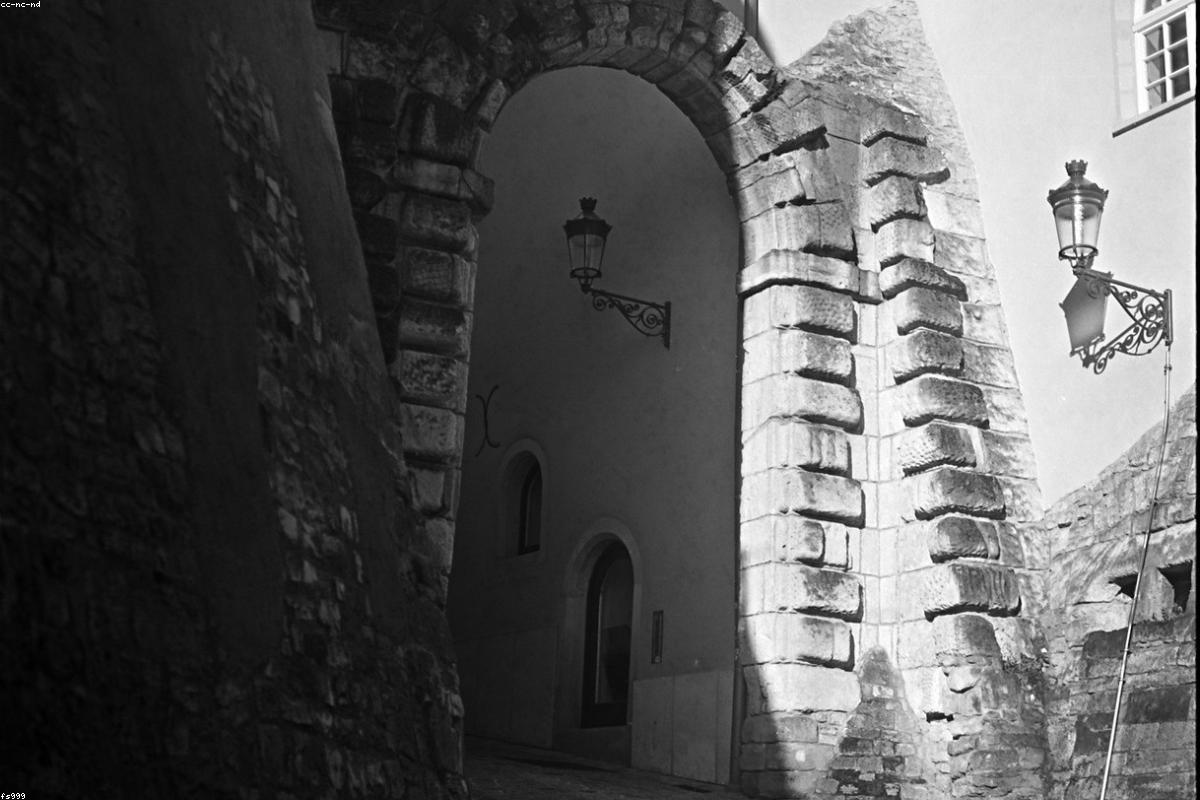
When the window is directly to one side of your subject, you get side light. This is the most sculptural option. One cheek is bright, the other falls into soft shadow, and the nose, jaw, and collarbones all gain shape. Side light is wonderful for portraits with mood and for any object where you want to show texture, because the raking angle catches every bump and grain.
When you turn the subject so the window is slightly behind them, you get backlight or rim light. The edges glow, hair lights up, and steam from a mug becomes visible. Backlight is romantic and airy, but it will fool your camera into underexposing the face, so you often need to brighten the picture and accept that the background window blows out to white. That is usually a feature, not a fault.
When the window is behind you and you face your subject into it, you get flat frontal light. It is the least dramatic option, but it is forgiving, even, and clean, which makes it ideal for documents, products you want to look honest, or a face where you want to minimize shadow.
Soft Days and Hard Days
The weather outside changes the character of your window entirely, and the two extremes call for different approaches. On a grey, overcast day, the whole sky becomes a giant softbox. Light comes through the window diffuse and shadowless, and you can shoot almost anywhere in the room without harshness. These are the easiest conditions for beginners and the reason so many food and product photographers pray for clouds.
On a bright, sunny day, direct sunbeams pour through the glass and create hard-edged shadows and blinding highlights. This is trickier, but it is not useless. Hard light gives you drama, crisp shadow patterns, and the kind of contrast that suits a bold, graphic image. If it is too harsh, you can soften it instantly by taping a sheet of tracing paper, a thin white curtain, or even a bedsheet across the window. That fabric turns the small, hard sun into a large, gentle source, and the improvement is immediate and obvious.
Distance Changes Everything
How far your subject sits from the window controls the contrast in your image. This is a physical law worth internalizing because it lets you dial mood up or down without touching a single setting.
Place your subject right beside the glass and the light is bright and relatively even, because the shadow side still receives plenty of bounced light from the room. Pull the subject deeper into the room, away from the window, and the bright side stays lit while the shadow side falls off into darkness. The result is far more contrast and a heavier, moodier feeling. If those shadows get too deep for your taste, you do not need a second light. A piece of white foam board, a sheet of paper, or a light-colored wall placed on the shadow side will bounce some light back and open up the darkness. Moving that reflector closer or farther gives you fine control over exactly how dark the shadows read.
Simple Setups Worth Trying
The best way to learn window light is to run small, deliberate experiments. Pick one object and photograph it several ways in a single session so you can compare the results side by side.
- Set a single piece of fruit near the window with side light, then place a white card opposite and watch the shadow soften.
- Photograph a person facing the window, then turn them ninety degrees, then have them face away, and notice how the mood shifts each time.
- Shoot a translucent subject like a glass of tea or a leaf with the window behind it, so the light passes through and reveals inner structure.
- Try the same scene beside the window and then several steps back into the room to feel how contrast deepens with distance.
- On a sunny day, shoot the hard shadow pattern first, then diffuse the window with fabric and shoot again.
The Habit of Noticing
The deeper skill here is not technical at all. It is attention. Photographers who work well with window light have simply trained themselves to notice light everywhere: how it falls across a kitchen table at breakfast, how it changes color as the afternoon warms toward evening, how a north-facing window stays cool and steady all day while a west-facing one erupts into gold at sunset. None of this requires gear. It requires you to look up from the viewfinder and pay attention to what the room is already giving you.
Start with a single window and one subject you can return to at different times of day. Watch how the same spot transforms between nine in the morning and five in the afternoon. Once you can predict what your windows will do, you stop chasing light and start waiting for it, and that patience is what separates a snapshot from a photograph. The equipment stays the same. What changes is that you have learned to see, and seeing is the part no camera can do for you.